
The Evolution of the Atlas of Canada, 1906–2006
- Publication
- Cartographica
- Volume
- 41
- Issue
- 3
- Pages
- 259-265
Canada · Version 2
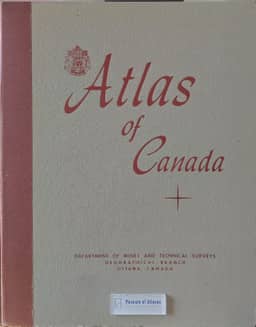
1957–1959Gosson links the preparation of the third edition of the Atlas of Canada in the early 1950s to postwar concern over gaps in geographical information, especially in northern Canada, and the need for a coordinated land-use survey in settled areas. Her account connects this work with the creation of the Geographical Branch within the Department of Mines and Technical Surveys. She reports editor Norman L. Nicholson’s aim to present authoritative, accurate maps of high cartographic and artistic quality, and notes that the edition offered more detailed coverage of Canada’s physical, human and economic geography than the first two editions.
View whole-article summary
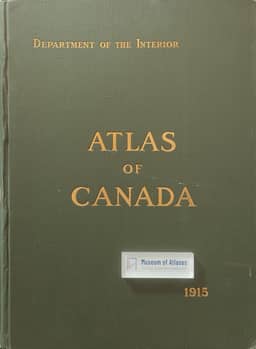
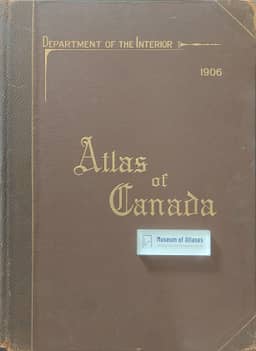
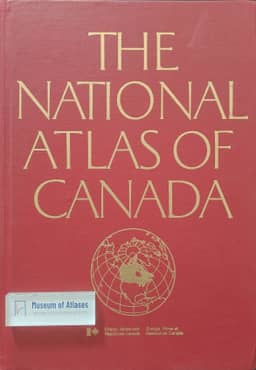
Claire Gosson traces the Atlas of Canada through six editions, relating its changing content and format to national planning, public understanding and access to geographic information. James White's 1906 atlas combined physical, population, communications and historical maps with city plans; the 1915 revision incorporated expanded provincial boundaries and the 1911 census. Postwar information needs led to the third edition, with fuller physical, human and economic coverage. The 1974 fourth edition adopted the title National Atlas of Canada, and its distribution as map folios helped prompt a continuing atlas program. For the fifth edition, advisory consultations supported a computerized national database: data were compiled at 1:2,000,000, and maps published mainly at 1:7,500,000 using standardized bases. Digital cartography, satellite data and interagency cooperation supported production, but only 93 of roughly 200 planned map subjects were completed by its closure in 1995. Gosson then describes the 1994 Internet atlas, educational development through SchoolNet and the sixth edition's launch in 1999. Renamed Atlas of Canada in 2002, the online edition developed through scientific partnerships, improved navigation and accessibility, and interactive access to data. Gosson characterizes it as an integrated, evolving database whose principal publication is on the Web, serving as an authoritative national portrayal and educational resource.
Related Atlases
Comments
Loading...
0/2000