
Topic Selection and Structure in the National Atlas of Switzerland
- Publication
- Abstracts of the International Cartographic Association
- Volume
- 1
- Pages
- 384
Switzerland · Version 1
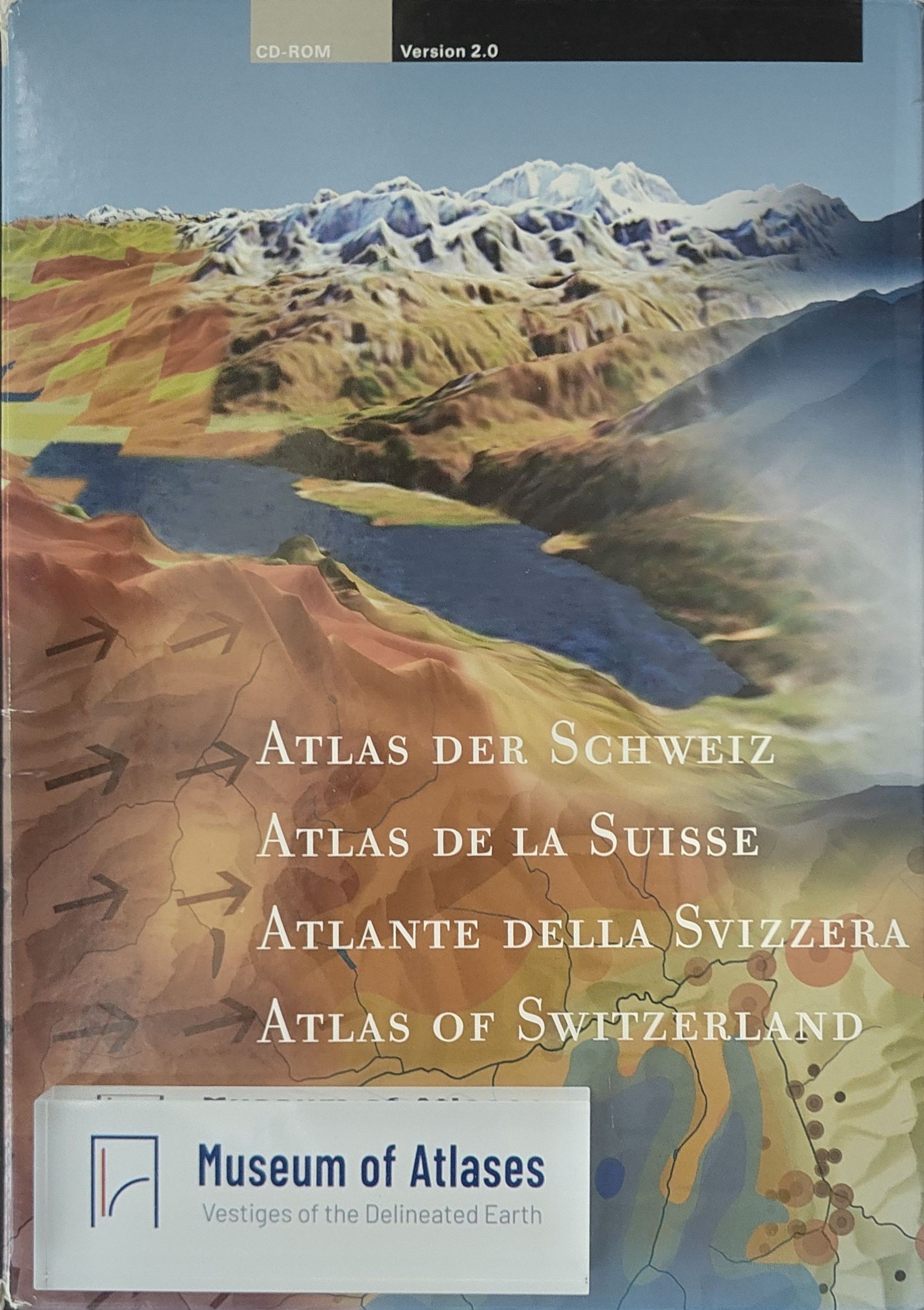
1997–2026Vomsattel, Sieber and Hurni trace the thematic expansion of the digital Atlas of Switzerland: the 2000 edition covered 250 topics in society, economy, state and politics; the 2004 edition contained about 1,000 topics and added nature and environment; and the 2010 edition contained about 2,000 topics, with transport, energy and communication added. At the time of the account, the current online atlas contained about 160 themes and was still expanding, with categories including History and Future, Landscape and Space, Tourism and Leisure Time, Portrait of Switzerland and Global Switzerland. Topic selection draws on the project’s socio-economic context, earlier editions, other atlases and geoportals, user activity tracking and direct feedback. The authors describe constraints imposed by the conceptual framework, politics, funding, technical implementation, available data and visualization options. They explain the role of hierarchical thematic navigation and outline plans for maps on current issues and visually and technically ambitious flagship maps, while considering locality-based access and storytelling as possible alternatives to menu-based access.
View whole-article summary
The establishment of a National Atlas requires a broad view on the thematic content. Traditionally, maps in atlases are accessed by selecting topics from a thematically structured menu. Many important and complex decisions have to be made by map authors regarding the selection and structure of topics which are considered as the essence of an atlas. In the following lines, we will describe how and why the selected topics have been realized in the Atlas of Switzerland (AoS) and on which concepts they are based on.
Related Atlases
Comments
Loading...
0/2000